The Power Behind the Lift: A Guide to Forklift Hydraulic Pump Manufacturers
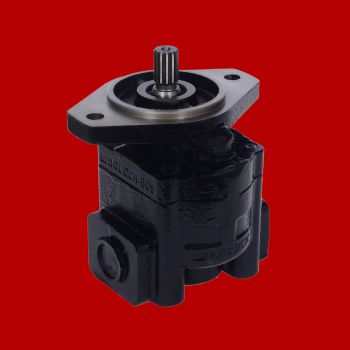
In the fast-paced worlds of warehousing and construction, the forklift is an indispensable machine. Its ability to lift heavy loads, precisely position materials, and navigate tight spaces relies on one crucial component: the hydraulic pump. Acting as the heart of the hydraulic system, this pump converts mechanical power into the fluid power necessary to lift the mast and operate attachments.
Selecting a high-quality hydraulic pump is essential for ensuring a forklift operates efficiently and reliably, avoiding costly downtime. This guide explores the types of pumps available, the key specifications to consider, and what to look for in a top-tier manufacturer.
Understanding Forklift Hydraulic Pump Types
The most common pump found in forklifts is the hydraulic gear pump. These pumps are known for their durability, simplicity, and ability to handle the high-pressure demands of material handling equipment. Typically, an external engaged gear pump uses two meshing gears to move hydraulic fluid, generating the flow and pressure needed for lifting operations.
Modern forklifts may also feature more complex systems. For instance, some electric forklifts use advanced setups with one motor for driving the wheels and another for the hydraulic system, which can run multiple pumps in a tandem configuration for greater efficiency and control.
Product Specifications at a Glance
Understanding key technical parameters is vital when selecting or replacing a pump. The following table outlines typical specifications for a high-quality hydraulic gear pump used in forklifts.
| Specification | Details |
|---|---|
| Type | External Engaged Hydraulic Gear Pump |
| Pressure Range | Rated up to 200 Bar (2900 PSI), Max up to 250 Bar (3625 PSI) |
| Displacement | Varies by model; commonly 11 ml/r to 52 ml/r |
| Speed Range | Minimum 500-600 RPM, Rated 2000-2500 RPM, Maximum up to 3000 RPM |
| Housing Material | High-strength Aluminum Alloy or Cast Iron |
Real-World Usage
A forklift's hydraulic pump performs several critical functions across a typical workday:
- Lifting & Lowering: The primary task is to power the lift cylinder, which raises and lowers the forks and their load. The pump must provide consistent flow for smooth, controlled lifting.
- Tilting: The pump also powers the tilt cylinders, allowing the operator to angle the mast forward or backward for safe load handling.
- Power Steering: Many forklifts use hydraulic power steering, which relies on the pump for smooth and easy maneuverability, especially when carrying heavy loads.
Leading Manufacturers: Quality and Craftsmanship
The best manufacturers distinguish themselves through precision engineering and rigorous quality control. Reputable companies like Hefei Changyuan Hydraulic Co., Ltd. (HCHC), which has over 50 years of experience, emphasize features like high-strength cast-iron housings and auto-compensation units for axial clearance to ensure long service life and high volumetric efficiency. These quality pumps are often 100% tested before delivery to guarantee reliable performance.
When studying successful companies like Warlock Companies, a key takeaway is their commitment to universal design and compatibility. Top manufacturers often produce pumps that serve as direct replacements for multiple brands, including Toyota, Heli, and Komatsu, simplifying maintenance and parts sourcing for equipment owners.
Why Choosing the Right Forklift Hydraulic Pump Manufacturer Matters
Choosing the right forklift hydraulic pump manufacturer is an important decision for businesses that depend on continuous material handling operations. A reliable manufacturer understands the operating requirements of forklifts and provides pumps designed to deliver consistent hydraulic flow, pressure stability, durability, and dependable service life.
The quality of the hydraulic pump directly affects lifting performance, mast movement, attachment operation, steering response, and overall machine productivity. A properly engineered pump can help reduce unexpected failures, maintenance requirements, and operational interruptions.
Warlock Companies focuses on providing hydraulic pump solutions designed around the requirements of demanding material-handling applications. By emphasizing dependable construction, compatibility, and performance, the right hydraulic pump can help equipment operators maintain productivity and reduce unnecessary downtime.
Conclusion
Understanding the specifications and the reputation of the manufacturer is crucial for maintaining a forklift's performance. By choosing a reliable hydraulic pump that meets your equipment's specific requirements, you ensure that your forklift can handle the daily demands of the job with power and reliability.