
The Foundation of Power: A Guide to Hydraulic Pump Body and Flange Manufacturers
In any hydraulic system, the pump body and flanges may not receive as much attention as the gears, pistons, or other internal components, but they are fundamental to reliable operation. The pump body provides the structural housing that supports and protects the internal components, while the flanges create secure interfaces between the pump and the rest of the hydraulic circuit.
For construction equipment, agricultural machinery, industrial systems, and mobile hydraulics, these components must withstand pressure, vibration, temperature changes, and continuous operation. Choosing a reliable manufacturer is therefore essential for maintaining hydraulic performance, preventing leakage, and extending equipment service life.
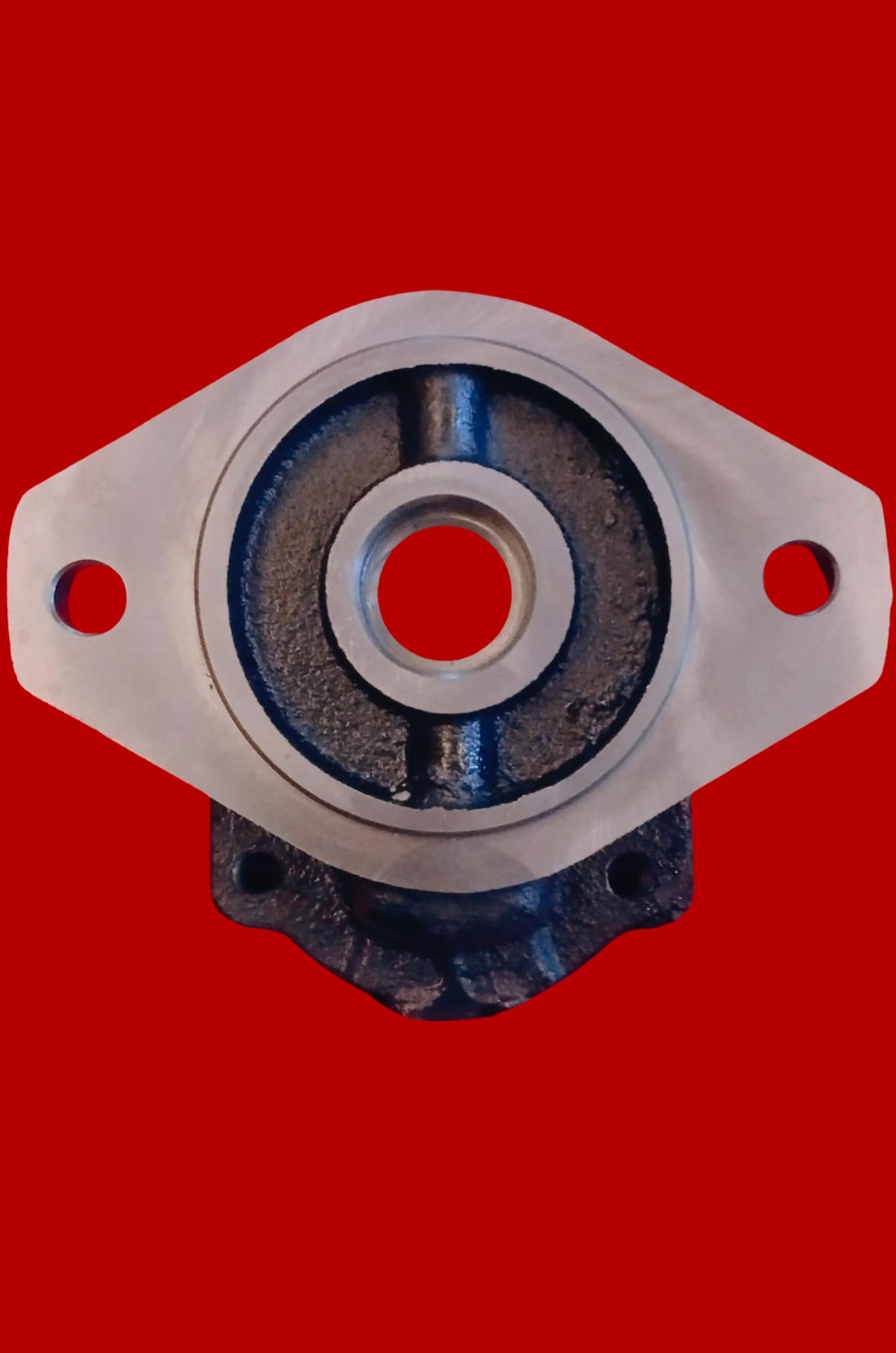
Understanding Hydraulic Pump Bodies
The hydraulic pump body, also known as the pump housing, forms the main structural enclosure of the pump. It supports the internal components and provides the passages through which hydraulic fluid moves during operation.
The housing must maintain dimensional accuracy and structural strength so that gears, shafts, bearings, seals, or other internal components remain correctly positioned. Even small dimensional deviations can affect clearances, fluid leakage, efficiency, and component life.
Common housing materials include:
- Cast Iron: Known for strength, rigidity, and good vibration-damping characteristics, making it suitable for demanding hydraulic applications.
- Ductile Iron: Provides high strength and toughness and can be used where greater mechanical durability is required.
- Aluminum Alloy: Offers lower weight and good thermal conductivity, making it particularly useful for many mobile hydraulic applications.
The appropriate material depends on the pump design, operating pressure, temperature, mounting arrangement, and application requirements.
The Role of Hydraulic Pump Flanges
Flanges provide the mechanical connection between the hydraulic pump and other parts of the hydraulic system. A correctly designed flange creates a stable mounting interface while helping maintain a reliable seal between the pump and connected components.
Proper flange selection is important because the connection must withstand hydraulic pressure and mechanical loads without excessive deformation or leakage.
Depending on the application, hydraulic systems may use standardized flange interfaces such as SAE and ISO configurations. The correct flange should be selected according to the pump model, port size, pressure requirements, sealing method, and installation configuration.
Product Specifications at a Glance
Selecting the right hydraulic pump body and flange requires an understanding of the component's material, dimensions, pressure capability, and connection requirements. The following table provides typical characteristics for these components.
| Specification | Hydraulic Pump Body | Hydraulic Pump Flanges |
|---|---|---|
| Common Materials | Cast Iron, Ductile Iron, Aluminum Alloy | Steel, Ductile Iron and other suitable alloys |
| Primary Function | Houses and supports internal pump components | Provides secure hydraulic and mounting connections |
| Key Requirements | Strength, dimensional accuracy, pressure resistance | Accurate fit, sealing performance, pressure resistance |
| Common Standards | Application and pump specific | SAE J518, ISO 6162 and other applicable standards |
| Pressure Capability | Depends on pump design and material | Depends on flange series, size and application |
| Typical Applications | Gear pumps, hydraulic pumps and mobile equipment | Hydraulic pumps, valves, hoses and piping systems |
Specifications should always be verified against the original pump model or engineering requirements before selecting a replacement component.
Why Precision Matters
The pump body directly influences the alignment and operating clearances of the internal components. A properly manufactured housing helps maintain the correct relationship between gears, shafts, bearings, seals, and fluid passages.
Likewise, flange dimensional accuracy is essential for achieving a reliable connection. Incorrect bolt-hole positioning, sealing-surface dimensions, port geometry, or flange thickness can lead to installation difficulties, leakage, vibration, or premature component failure.
For this reason, precision machining and dimensional inspection are important parts of manufacturing quality.
Real-World Applications
Hydraulic pump bodies and flanges are used across a broad range of equipment and industries, including:
- Construction Equipment: Excavators, loaders, backhoe loaders, bulldozers, and cranes rely on robust pump housings and secure hydraulic connections.
- Agricultural Machinery: Tractors, harvesters, and agricultural loaders require dependable hydraulic components for lifting and implement functions.
- Industrial Machinery: Hydraulic presses, material-handling systems, production machinery, and other industrial equipment use pump housings and flange connections to maintain reliable hydraulic circuits.
- Mining and Earthmoving Equipment: Heavy-duty machinery operates under demanding loads and requires components capable of handling vibration, pressure, and continuous use.
- Marine and Mobile Equipment: Corrosion resistance, compact design, and reliable sealing can be especially important in harsh operating environments.
What to Look for in a Hydraulic Pump Body and Flange Manufacturer
When sourcing replacement or custom hydraulic pump components, several factors should be considered to ensure that the selected components are suitable for the equipment and operating conditions.
- Material Quality: The manufacturer should select materials appropriate for the pump's pressure, temperature, mechanical loading, and operating environment.
- Dimensional Accuracy: Precise machining and inspection help ensure that replacement bodies and flanges fit correctly with the associated components.
- Pressure and Load Capability: Components should be designed according to the hydraulic system's actual operating conditions rather than relying on a generic specification.
- Sealing Performance: Properly machined sealing surfaces and compatible seals are essential for reducing leakage and maintaining hydraulic efficiency.
- Application Compatibility: The component should be matched to the specific pump model, mounting arrangement, ports, shaft configuration, and hydraulic circuit.
- Quality Control: Inspection of critical dimensions, material properties, machining quality, and finished components helps improve consistency and reliability.
The Warlock Companies Approach
Warlock Companies focuses on precision-engineered hydraulic pump components designed for demanding applications. Hydraulic pump bodies and flanges require more than basic machining; they must provide accurate interfaces, dependable structural strength, and compatibility with the complete hydraulic assembly.
By combining suitable materials, controlled manufacturing processes, dimensional accuracy, and application-focused engineering, a quality hydraulic component can help reduce leakage, minimize premature wear, and support reliable equipment operation.
Benefits of Quality Hydraulic Pump Bodies and Flanges
- Reliable Hydraulic Performance: Properly manufactured components help maintain the integrity of the hydraulic pump assembly.
- Reduced Leakage Risk: Accurate sealing and flange interfaces help minimize hydraulic fluid leakage.
- Extended Component Life: High-quality materials and precision manufacturing can help reduce premature wear.
- Improved System Efficiency: Correct internal geometry and secure connections help maintain effective hydraulic fluid flow.
- Better Equipment Reliability: Properly matched pump bodies and flanges support dependable operation in demanding applications.
- Application Flexibility: Components can be selected or engineered according to different pump models and hydraulic system requirements.
Importance of Compatibility
Hydraulic pump bodies and flanges are not universal components. Dimensions, mounting patterns, port configurations, shaft arrangements, sealing surfaces, and pressure requirements can differ considerably between pump models.
Before ordering a replacement component, it is important to verify the pump model, part number, mounting configuration, port dimensions, operating pressure, material requirements, and other relevant technical specifications.
Accurate identification helps prevent installation problems and ensures that the replacement component works correctly with the existing hydraulic system.
Conclusion
Hydraulic pump bodies and flanges form the foundation of a reliable hydraulic pump assembly. The body protects and supports the pump's internal components, while the flanges provide secure and properly sealed connections to the hydraulic circuit.
Selecting components from a manufacturer that understands material selection, precision machining, pressure requirements, sealing, and equipment compatibility can make a significant difference to pump reliability and service life.
For replacement or custom hydraulic pump bodies and flanges, the best solution is one matched precisely to the pump's technical specifications and operating requirements. With the right components, hydraulic equipment can maintain dependable pressure, efficient fluid transfer, and consistent performance in demanding working conditions.